
Family and Domestic Violence
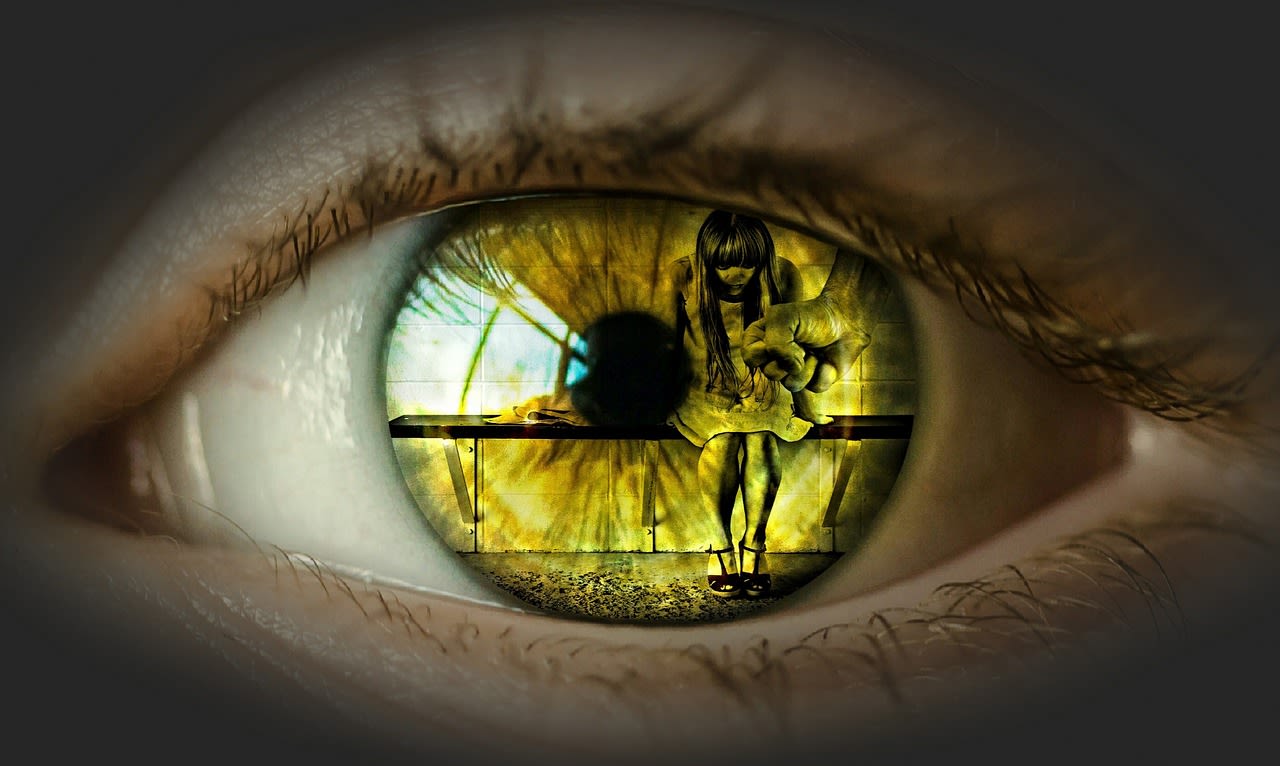

Family and domestic violence (FDV) can happen in any kind of relationship — not just with husbands and wives, boyfriends and girlfriends or intimate partners. FDV happens when one person in a relationship hurts another or makes them feel unsafe.
Abuse doesn't have to involve hurt to your body, or physical violence, to be domestic or family violence.
Who does it affect?
None of these people have the right to hurt you or make you live in fear.

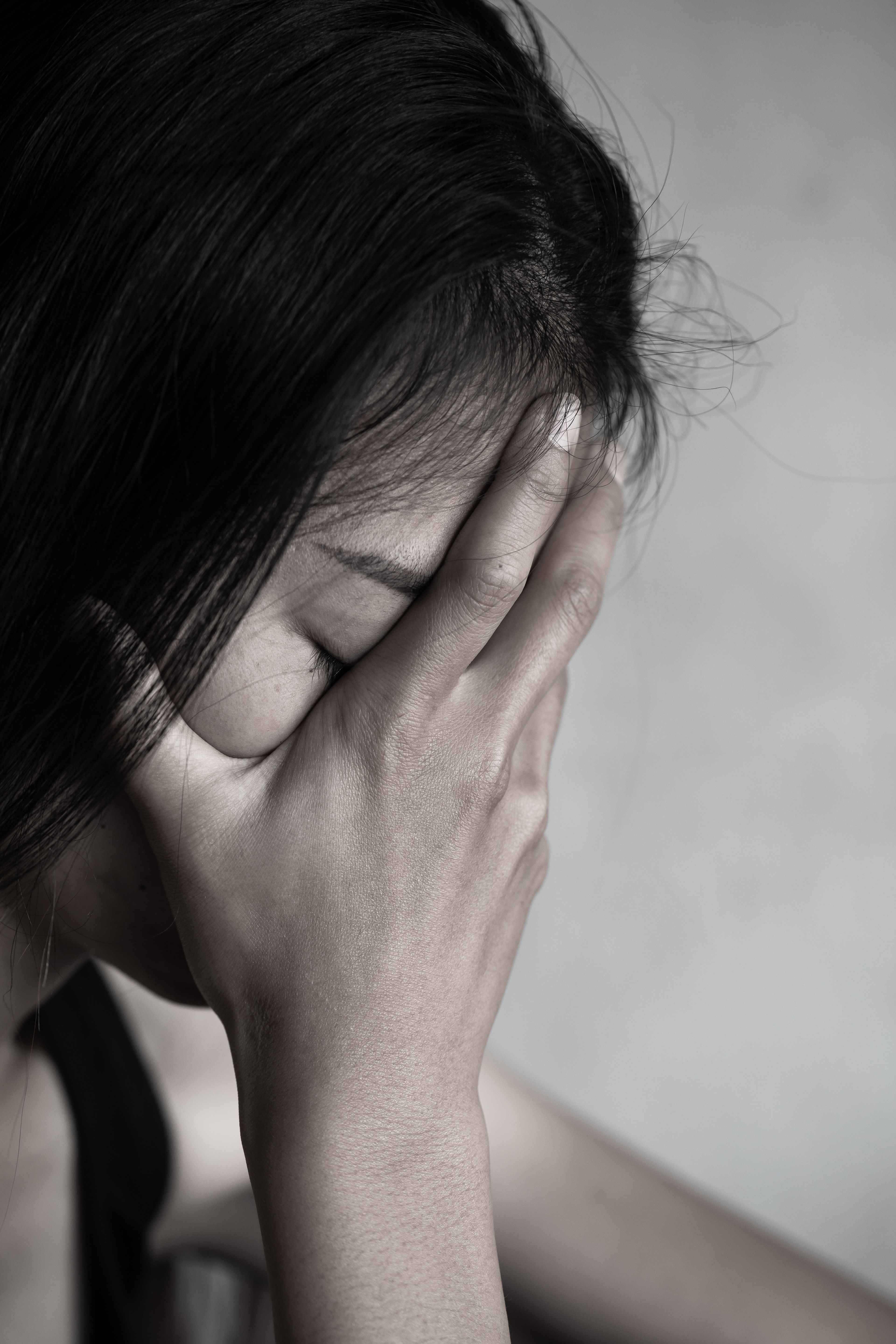

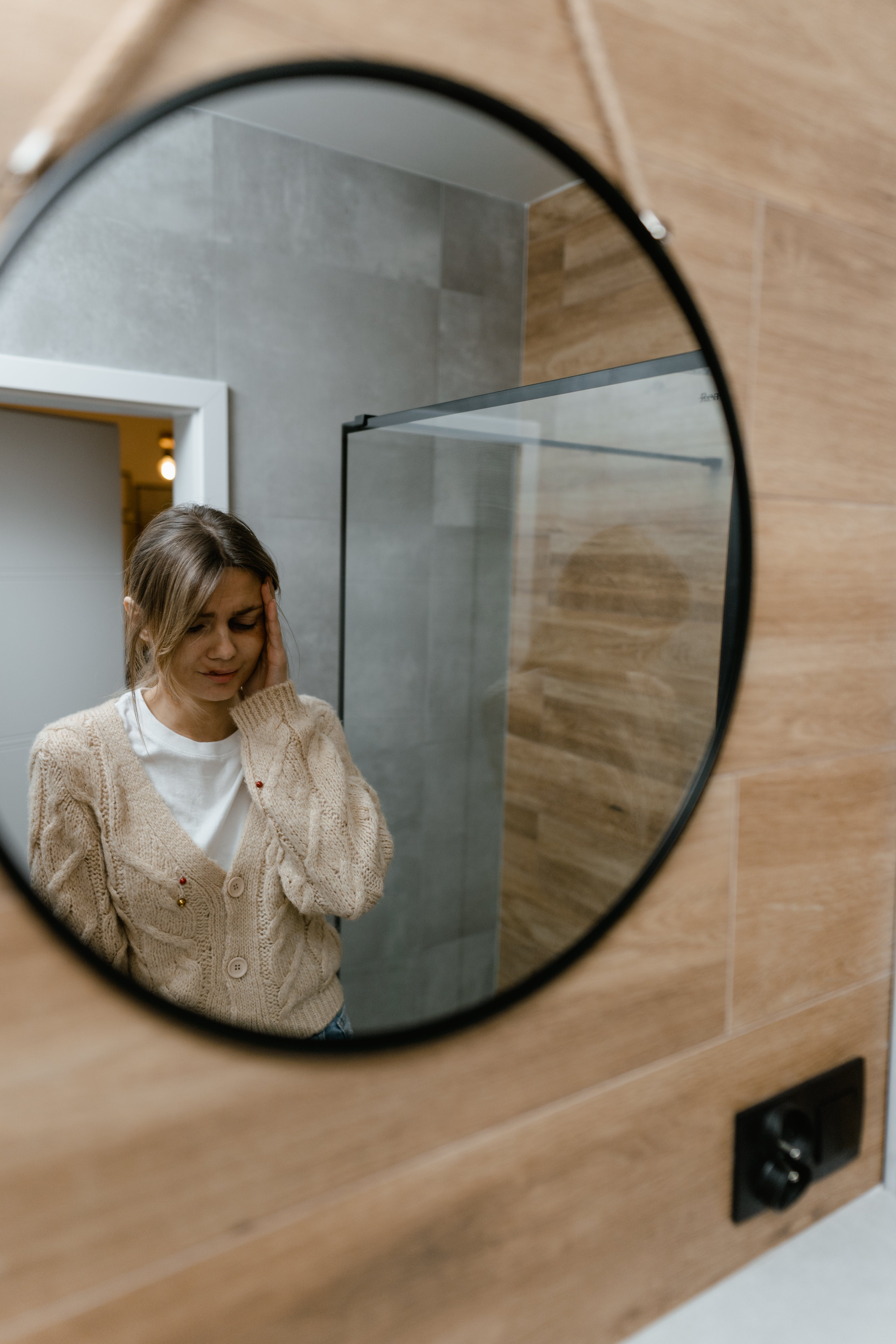
It is never OK for someone in a relationship to:
- Hit, kick, and do other things that hurt your body
- Touch you in ways or places you don’t want to be touched
- Say and do things that make you feel scared or unsafe
- Make looking after a baby hard by not letting you feed or settle your baby
- Cut you off from friends or family
- Refuse to provide essential care and support if they are your parent, guardian, or carer
- Force you to have sex or do sexual things
- Take your money or use money to make your life hard
- Damage walls, parts of your home, or your things
- Scare you by following you, harassing you, or refusing to leave you alone
- Tell you they will hurt you, your children, your pets, or people you care about
- Say they will hurt themselves if you try to leave
- Share private photos or videos of you online without your permission
- Stop you from following your religious or cultural practices
- Use the legal system to bully or intimidate you
- Stop you from making decisions about whether or not to have a baby or other reproductive issues
- Stop you from having the medicine you need or from seeing a doctor
- Give you the medicine you don't need or more medicine than you need
Types of Family and Domestic Violence

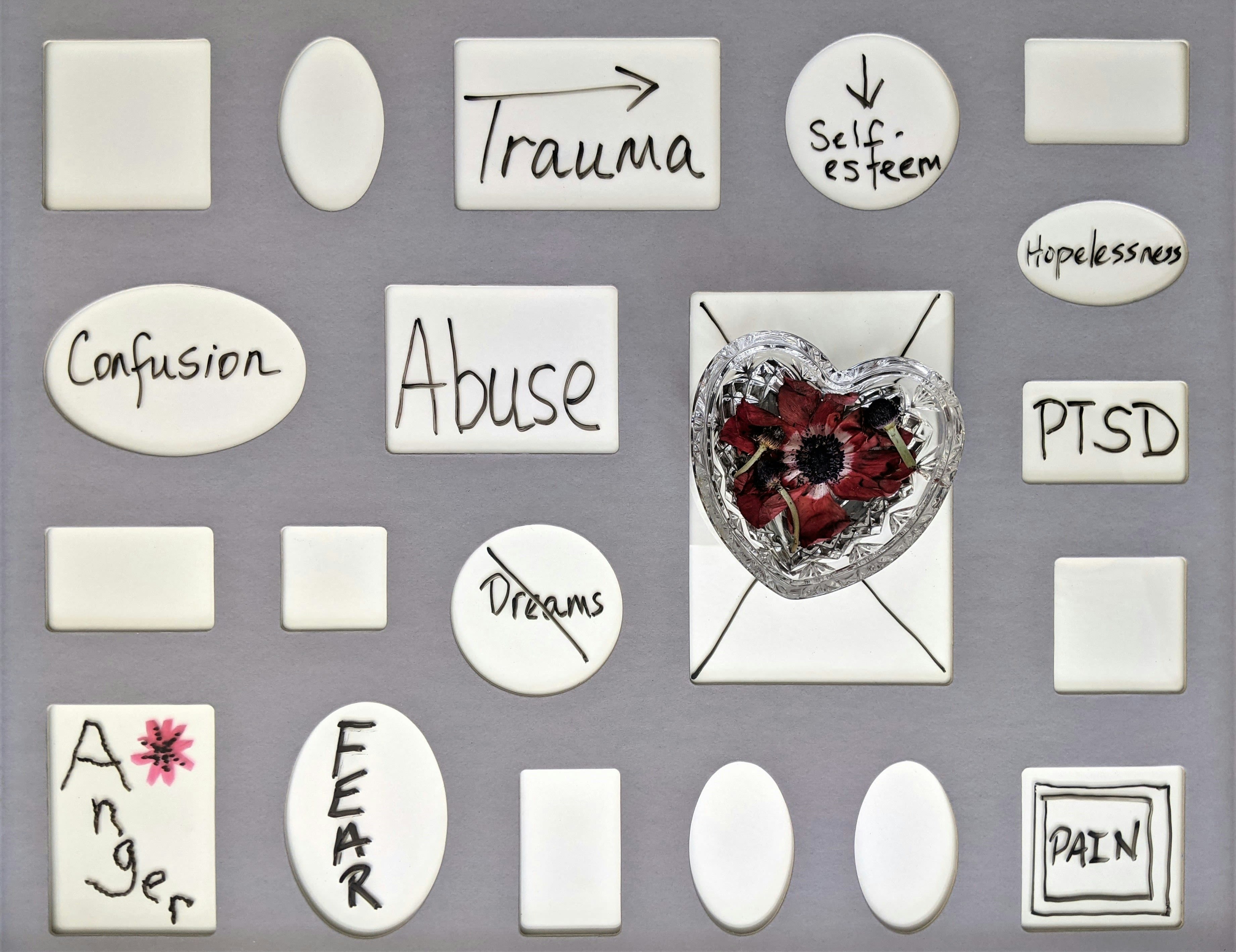






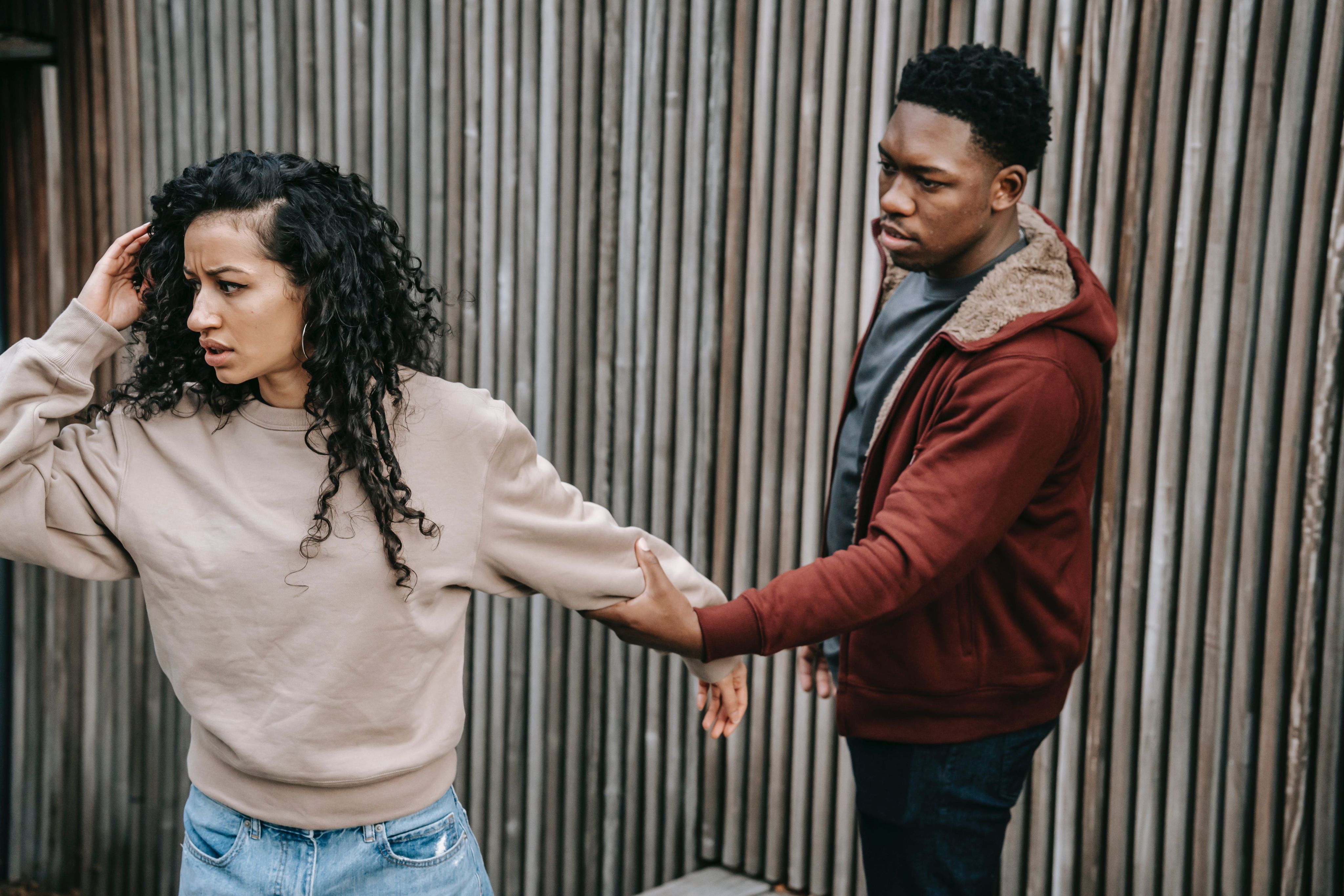

Domestic and family violence is not always physical abuse. Often it includes different types of harmful behaviour. Knowing the signs can help you recognise abuse and allow you to take appropriate steps to intervene or find help.
Types of domestic violence and abuse include:
1. Physical abuse
Often the most visible form of FDV, physical abuse can involve direct, violent assaults on the body. This could also include the use of weapons, driving dangerously, destruction of property, abusing pets in front of family members and forced sleep deprivation. Physical abuse rarely occurs in isolation and perpetrators can also inflict other types of abuse on victims.
2. Emotional abuse
Emotional manipulation through bullying or controlling behaviour is toxic and damaging to someone’s self-esteem and self-worth. Victims are often blamed for problems in the relationship, negatively compared with others, or bullied. Emotionally abusive behaviour can undermine someone’s self-esteem and self-worth.
3. Financial abuse
Taking complete control of all finances, restricting another person’s access to bank accounts or using their money without consent is considered financial abuse. It involves controlling behaviour intended to make victims feel vulnerable, isolated and trapped in their situation.
4. Sexual abuse
While sexual abuse can involve strangers, the majority of sexual abuse victims know their perpetrators. Sexual abuse in a relationship involves any form of sexual activity without consent, but it can also involve inflicting pain during sex, assaulting the genitals, coercive sex without protection against pregnancy or sexually transmitted disease, or using sexually degrading insults.
5. Social abuse
Attempting to control someone by isolating them from their friends and connections is a form of abuse. Techniques such as rudeness to family and friends, moving to locations where the victim doesn’t know anyone, or forbidding them from leaving the house can cause mental harm.
6. Verbal abuse
Words can cause as much damage to a person as physical abuse. Verbal abuse includes humiliating taunts either privately or publicly, verbal ‘put downs’ about person’s intelligence, sexuality, body image or value as a family member, parent or spouse.
7. Spiritual abuse
Using religious teachings or cultural traditions to justify forms of abuse, denigration of a cultural background or denying access to religious ceremonies, land or family, is considered a type of spiritual abuse. This form of abuse may be difficult to identify, as many victims may not realise they are being abused.
8. Elder or child abuse
As many elders and children cannot protect or advocate for themselves, these groups of people are at particular risk of experiencing physical, financial, emotional or sexual abuse. Neglecting to care for children and elderly people is also considered a form of abuse.
8. Tech based abuse
If digital technology is used to harm or abuse someone, this is often called ‘technology-facilitated abuse’ or ‘tech-based abuse’. It can happen as part of domestic, family and sexual violence.
Examples include:
- harassing or threatening you online or with a digital device
- sharing or threatening to share an intimate image or video of you online without your consent, also known as image-based abuse or ‘revenge porn’
- cyberstalking
- controlling your online communication
- restricting or controlling your access to devices and online accounts
- financially abusing you using technology.
The most important thing to know is that regardless of your experience of tech-based domestic, family and sexual violence, it is not OK and help is available.
Signs of FDV

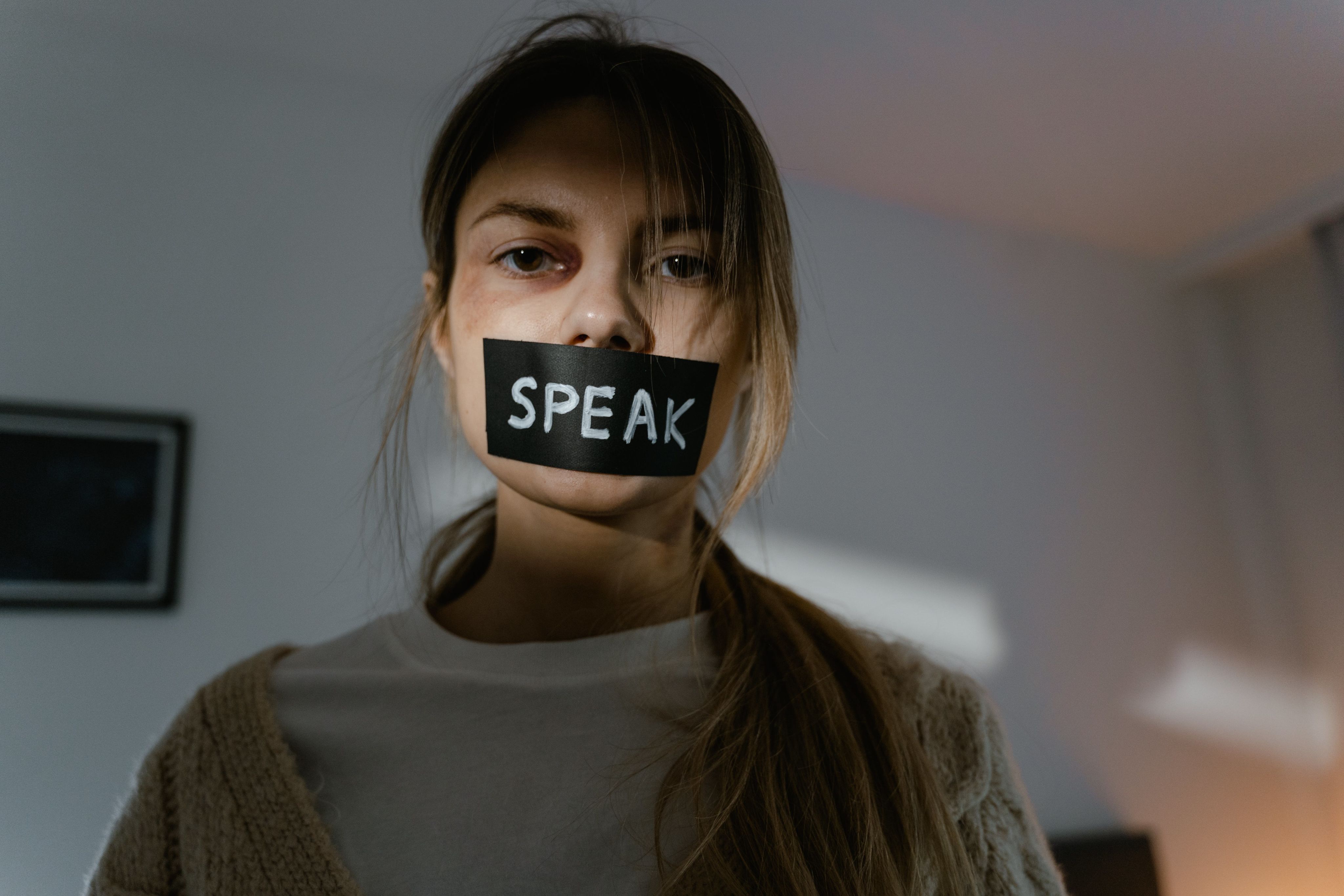
Signs someone is an abuser:
Signs someone is being abused:
How you can help

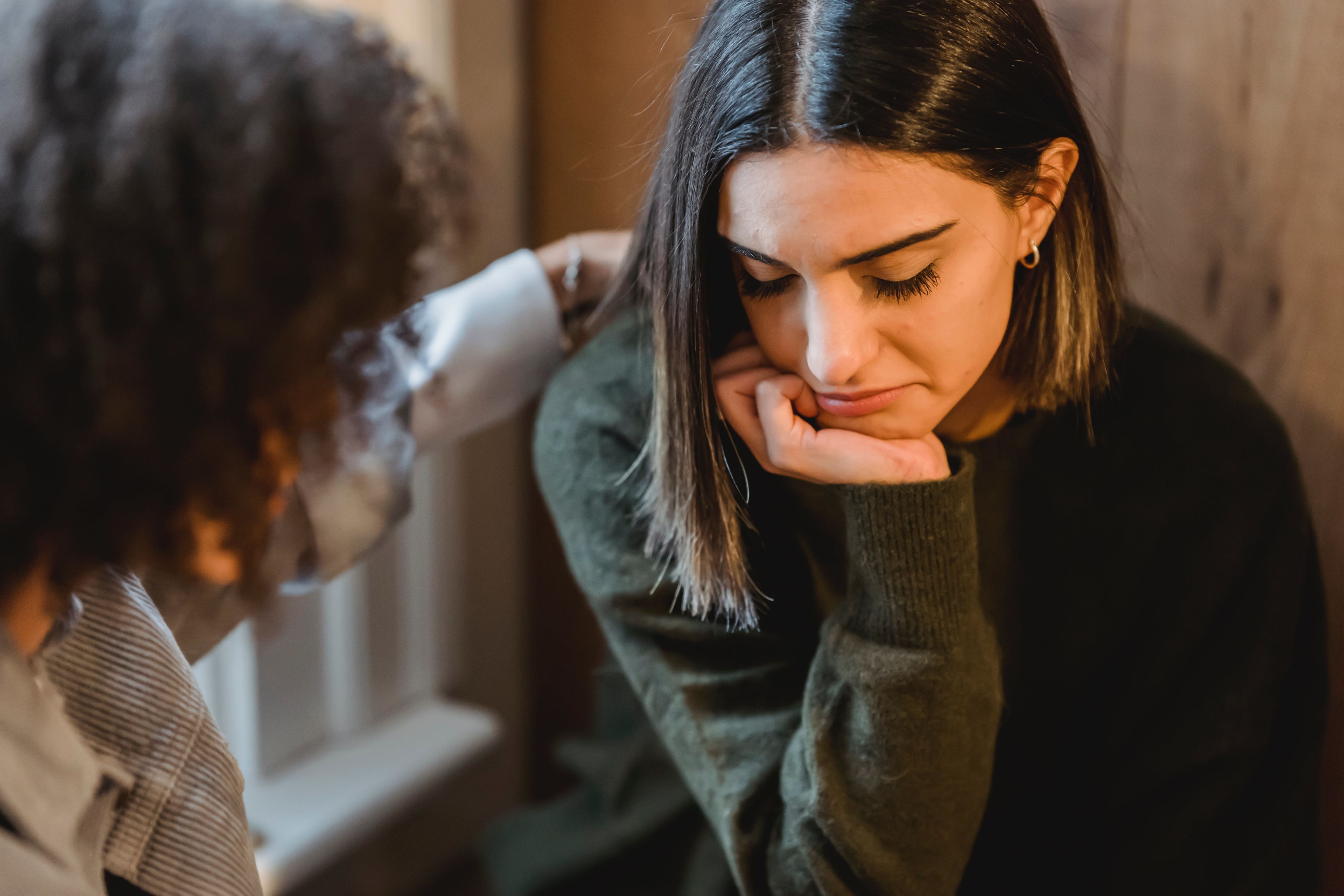
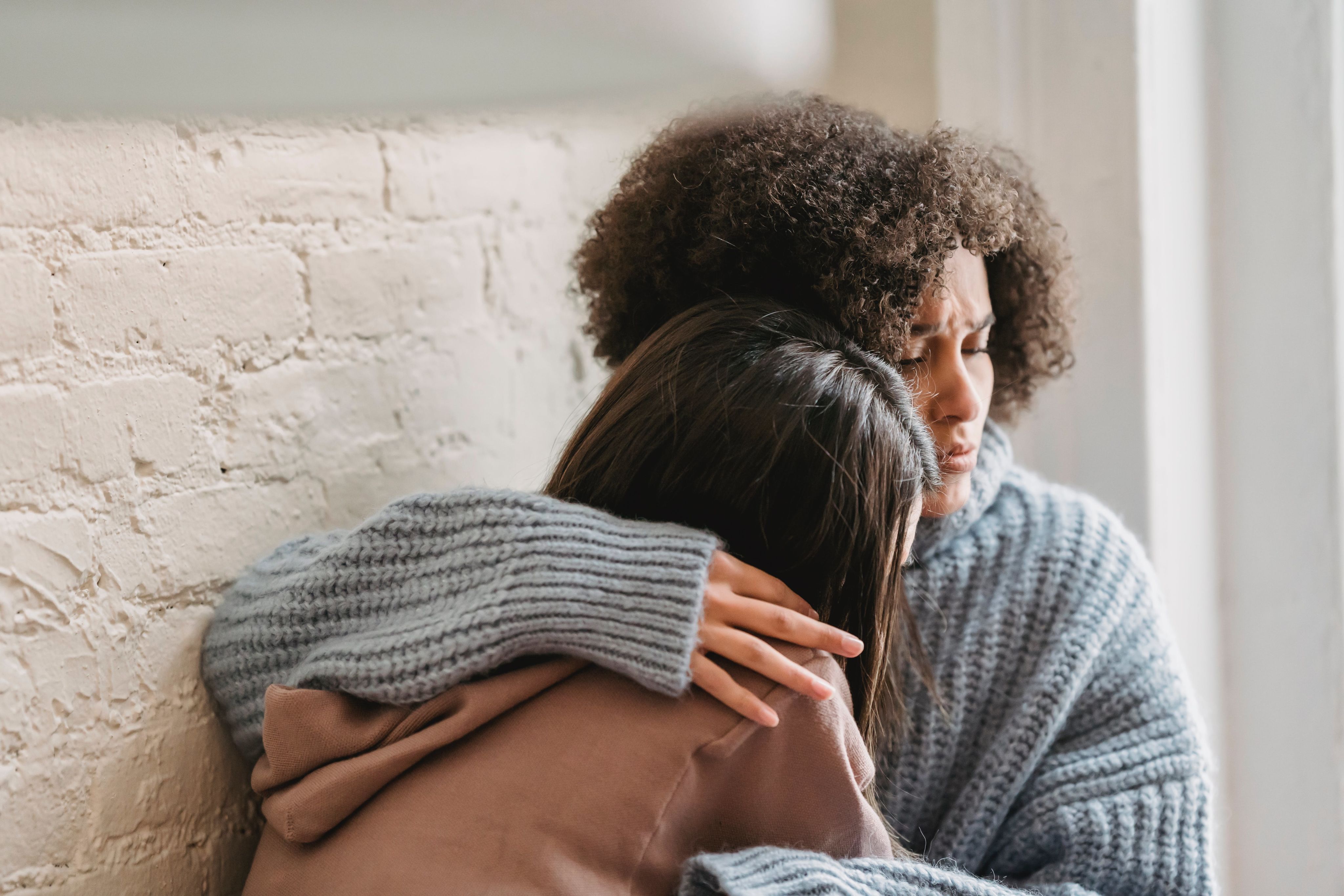
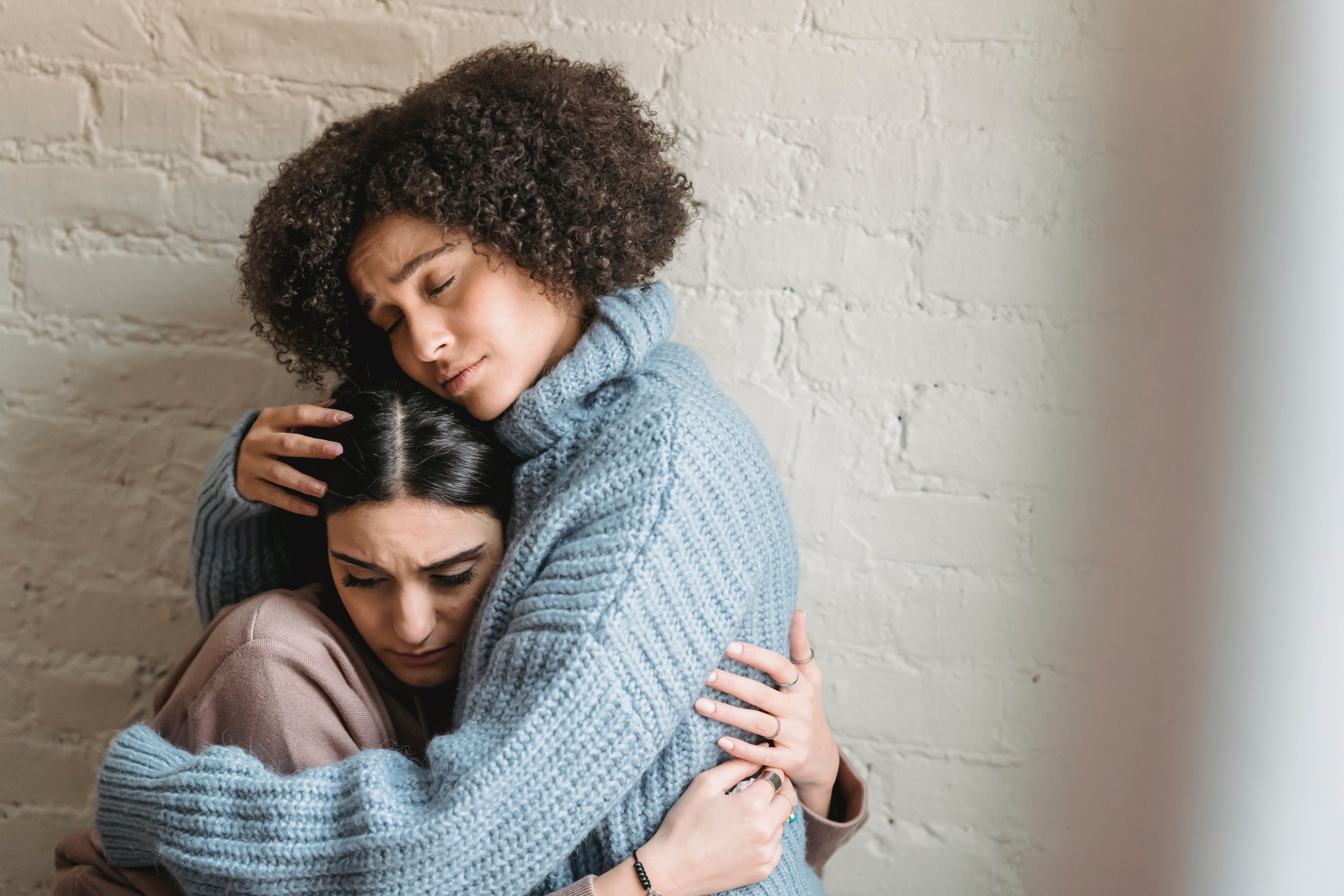
Listen without judging
If they are willing to talk, listen carefully and empathically in a safe place.
Believe them.
Never blame them for what’s happening or underestimate the fear of danger.
Let them know that no one deserves to be abused, beaten or threatened.
Allow them to make their own decisions.
Try to understand the many obstacles that prevent your friend from leaving.
Focus on supporting them to make their own decisions.
Guide them to a specialist domestic violence support service.
Let them know they are not alone and that people are available to help.
Assure them that they will keep information about them confidential.
Many people first seek the advice of marriage counsellors, psychiatrists, spiritual advisors and others.
Help make a safety plan.
Encourage them to keep a diary of what’s happening to them if it is safe to do so.
Help your friend think about steps they can take if the partner becomes abusive again.
Help pack a bag or have one for them: Suggest they hide a suitcase of clothing, money, Centrelink cards, bank books, birth certificates, and school records for future emergencies. Acknowledge that they may be in the most danger while they are trying to leave.
If you see an assault in progress, take action.
Call the police on triple zero (000). Don’t assume that someone else has done so.
If you are in your car honk your horn until a group gathers, person stops assaulting or the police come. These situations can be dangerous so whatever you do be sure to keep yourself safe. But do take action.
At the very least, watch them. Being a witness in a way that lets the perpetrator know that you see them may reduce their level of violence.
Love is not ABUSE is not Love:
What does a healthy relationship look like compared to an unhealthy one?
|
Characteristics of Abusive Relationships |
|
|---|---|
|
Partnership o Joint decision making o Shared responsibility Economic equality o Freedom to decide issues of work, study and money Emotional Honesty o Feels safe to admit and share fears and insecurities Sexual respect o Accepts that “No” means no o Has open discussions around sexual wants/preferences and consent Physical safety o Respects partners physical space o Expresses self non-violently Respect o Respects right to different feelings friends and activities o Supports partners goals Support/ Trust o Listens and understands o Values partners opinion |
Domination o abuser decides o servant/master mentality Economic control o denies job freedom o withhold money Emotional manipulation o uses jealousy, passion, stress and frustration to justify actions Sexual abuse: o forces partner to do things against their will Physical abuse o hits, chokes, kicks, pinches, pulls hair, pokes, twists arms, trips, bites, restrains, uses weapons and destroys property Intimidation o charming in public and menacing in private, using threats o makes light of abuse: "You're too sensitive" Control o name calling, mind games o isolates partner from friends and loved ones o diminishes self-worth: "no one would believe you" or "You would have nothing without me" |
Family and domestic violence supports - Tasmania and UTAS

Sexual Assault Support Service(SASS)
SASS is committed to providing trauma-informed support services for survivors of sexual violence and the people who support them
24/7 Crisis Line 1800 697 877
Family Violence Counselling and Support Centre
Specialised services to assist children, young people and adults affected by family violence.
UTAS Counselling Service
Phone, online, or in-person counselling for students
1800 817 675
After-hours support: 1300 511 709 (or text 0488 884 168) 5pm - 9am weekdays| 24hr service weekends and public holidays.
Safe and Fair Community Unit (SaFCU)
Reports of family violence can be sent to SaFCU. This can be done anonymously if desired. SaFCU can provide advice, investigate matters, and assist with general support
03 6226 2560 | safcu@utas.edu.au


Engender Equality
Statewide Tasmanian not-for-profit organisation that supports people affected by family violence
(03) 6278 9090
Family and domestic violence supports - National
1800 RESPECT
National sexual assault, domestic and family violence counselling service.
Website shows resources in your State.
Phone 1800 737 732
National Domestic Violence Hotline
Free, 24/7 hotline for victims of FDV. Get help, plan for safety, and find local resources.
Phone 1800 799 7233
eSafety Commissioner
Report online (cyber) abuse, tech based abuse, and illegal online content.
Say It Out Loud
A range of videos on how to support LGBTQ+ people who disclose sexual violence to you.
Learn ways to respond in a compassionate and informed way.
 Built with Shorthand